
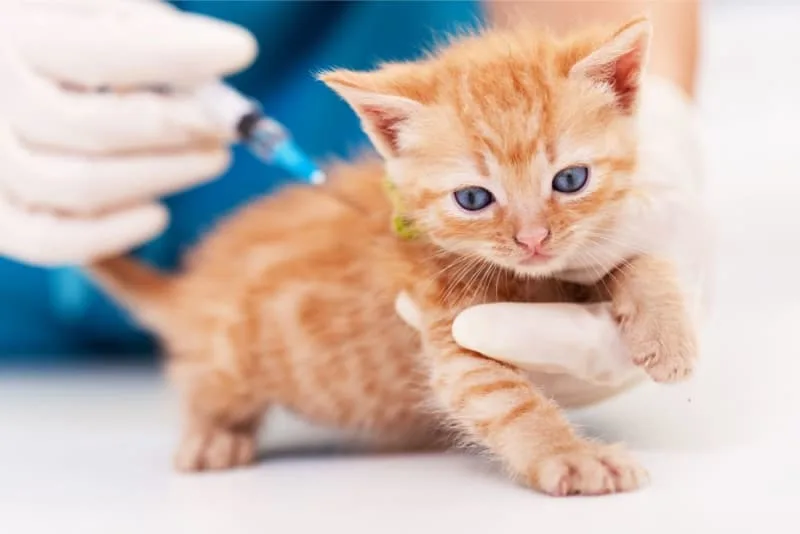
Vaccinations are an imperative part of your feline friend's health care. These shots offer your cat or kitten protection against a host of serious diseases and illnesses. Today, our Austell vets provide an outline of recommended vaccines and why your cat needs them.
Vaccinations For Cats & Kittens
Schedules (a set amount of time between each shot) for feline vaccinations can vary due to factors such as pre-existing health conditions and indoor/outdoor living situations. Below is an approximate schedule based on the average indoor cat – but ultimately only your veterinarian can provide specific information and the schedule they recommend for your unique pet.
Vaccination Schedule For Kittens
6 - 10 Weeks
FVRCP for Rhinotracheitis, Calicivirus, Panleukopenia (feline distemper)
Rabies vaccine*
FeLV Feline leukemia
FIV Booster for Feline immunodeficiency virus
Feline herpesvirus
Bordatella
Chlamydia
11 - 14 Weeks
FVRCP for Rhinotracheitis, Calicivirus, Panleukopenia (feline distemper)
FeLV Feline leukemia
FIV Booster for Feline immunodeficiency virus
15+ Weeks
FVRCP final booster for Rhinotracheitis, Calicivirus, Panleukopenia (feline distemper)
FeLV Feline leukemia
FIV Booster for Feline immunodeficiency virus
Vaccination Schedule For Adult Cats
Annually
Rabies vaccine*
FeLV Feline leukemia
Bordatella
Every 3 Years
Panleukopenia (feline distemper)
Calicivirus
Feline herpesvirus
*Rabies: Rabies is 100% fatal. There is currently no treatment available, and it's contagious. Prevention is crucial. The rabies vaccination may be required annually or every 3 years, depending on the vaccine used and your state laws.
Other Vaccinations
This list is not exhaustive and your vet may recommend other vaccinations outside of this list. The vaccinations your veterinarian might suggest will depend on where you live, your cat's history, risk levels for certain diseases, and other factors. Always follow your vet's recommendation for the best care for your cat or kitten.
Possible Side Effects
Most cats will have few or no side effects from their vaccinations or may experience a brief or minor reaction to the medication. If you notice any of the following side effects, however, contact your vet immediately to determine if other treatment may be necessary.
High fever
Vomiting or diarrhea
Immobility or limping
Lethargy
Swelling near the area of injection
Loss of appetite
The Importance of Vaccinations
As a pet owner, your kitten or cat depends on you to provide care that will help them live long, healthy lives. Vaccinations are a preventive approach to avoid serious, and sometimes fatal, diseases. Prevention is always better than having to treat a serious condition once it has advanced and affected your cat's health.
Vaccines are important for all cats and kittens, but cats that spend time outdoors may require other specific vaccinations as well. Indoor/outdoor cats can come into contact with other animals, diseases, or parasites that make them vulnerable to more illnesses.
Speak with your vet to determine the right vaccination schedule for your cat or kitten.
Note: The advice provided in this post is intended for informational purposes and does not constitute medical advice regarding pets. For an accurate diagnosis of your pet's condition, please make an appointment with your vet.
If it's time for your cat or kitten's vaccinations, contact our Austell vets today to book an appointment.